
How Long Has Perth's Oldest Music Festival Run?
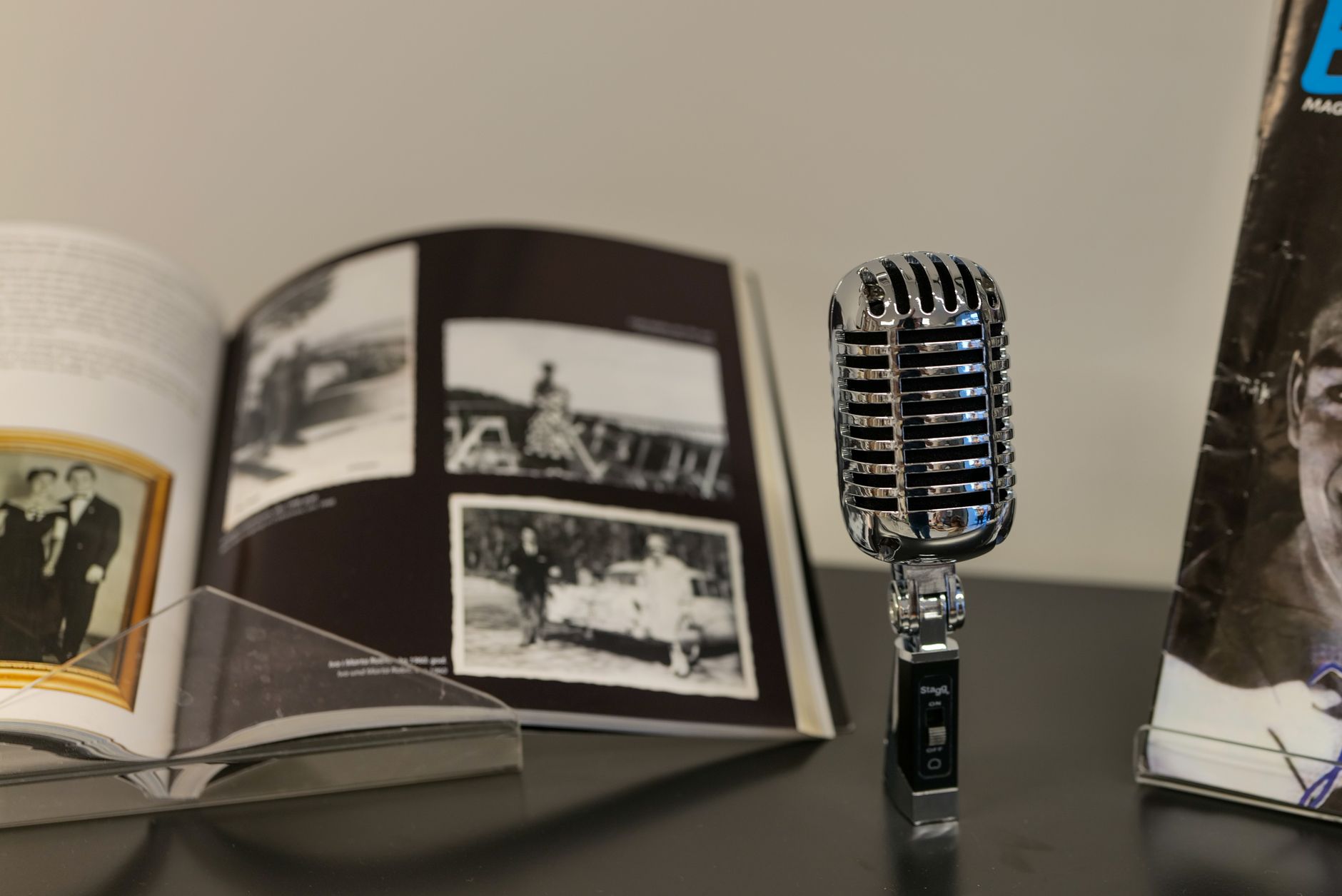
The North of Perth Music Festival began in 1957 and has now run for over 69 years, making it one of Perth's longest running performing arts competitions. It started in a Methodist church hall in North Perth, born out of a dry summer that killed the flower crop, and it has outlasted the church, the hall, countless fashion cycles in music and drama, and generations of performers who have gone on to professional careers.
It Started Because There Were No Flowers
The origin story is genuinely unusual. Parishioners at the North Perth Methodist Church had held a Flower Festival for years, raising money for the church. In 1957, a dry spell meant there were simply not enough flowers to run it. Being a community of music lovers, they replaced it with the inaugural North Perth Methodist Music Festival. It worked well enough that they kept going the following year, and the year after that, for nearly seven decades. The festival's full history records that early funds raised in those first years went to practical things like an oven for the church kitchen, curtains for the stage, and, critically for anyone who has ever played piano in a hall, removing a kink in the stage floor to stabilise the instrument.
How Did the Festival Grow Over the Decades?
The earliest festivals ran over two nights in the Methodist hall on Angove Street, with a Grand Concert for winners at the North Perth Town Hall the following week. By 1961, the addition of speech sections extended the programme to four nights. In 1963, the inclusion of State Brass Championships pushed it to six nights, with audiences sitting through more than 110 brass performances across 32 sections. By 1972, the festival had expanded to eight nights, and the two concert Winners' format, one for juniors and one for seniors, was established. That split structure is still how the festival closes each year, with the 2026 Winners' Concerts held on Saturday 10 October for Juniors and Sunday 11 October for Seniors at the Wellington Room in the Morley Recreation Centre.
Which Famous Names Came Through This Festival?
Two names come up consistently in any conversation about the festival's alumni. Lisa McCune, the well-known Australian actress, performed here in her formative years. Heath Ledger won the Ramsay McLean Perpetual Trophy for the Most Outstanding Speech and Drama Item at the 1995 festival, fourteen years before he was awarded a posthumous Academy Award for Best Supporting Actor for his portrayal of the Joker in The Dark Knight, the first person to win that Oscar posthumously in that category. Neither of these performers arrived as finished professionals. They came as young competitors looking for stage time, adjudicator feedback and the pressure of performing in front of a live audience, which is exactly what the festival still offers every entrant today.
What Has Stayed the Same Across 69 Years?
Quite a lot, which is part of what makes this history interesting. The core categories, piano, strings, singing, instrumental and speech and drama, have remained largely unchanged since the early years. The format of personal written reports from qualified adjudicators, which distinguishes a competitive eisteddfod from a simple recital, has been a constant. Every performer receives one of these personal reports, giving them specific, qualified feedback on their work regardless of whether they place. The two concert finale structure that began in 1972 is still in place. Even the personnel have shown remarkable continuity: Frank Giannini first appeared as a competitor in 1969, listed in the programme with a spelling error in his name that was never corrected. He joined the organising committee in 1976 and has served as Secretary since 1978, a period of around 48 years in that role.
What Changed, and What Fell Away
Not every experiment survived. A piano accordion section introduced in 1969 drew 65 performances across 11 sections in its debut year but did not endure. A speech section titled "Sight Reading, adjudicator's choice" was introduced in 1963 and attracted no entrants at all, and was never seen again. The festival moved away from its original Methodist church setting and eventually found a long term home in venues across the City of Bayswater catchment. Today sessions run at The Rise in Maylands, a venue that would have been unimaginable to the founding committee. The City of Bayswater is now the festival's major sponsor, a partnership that formalises the community character the festival always had informally.
Does Being Long Established Matter for a Performing Arts Competition?
For parents and teachers weighing up whether to enter a student, the fact that this festival has been producing qualified adjudicator reports and awarding prizes since 1957 is meaningful. The $11,000 prize pool, the $2,500 Most Outstanding Performance award from main sponsor Zenith Music, and the gold medallions and trophies are not just prizes in isolation. They carry the weight of a competition that Heath Ledger entered seriously and Lisa McCune treated as real preparation. That kind of alumni record accumulates over 69 years and is not something a newer event can replicate.
Where the Festival Stands Now
The 2026 season ran from Saturday 5 September to Sunday 20 September with all sessions at The Rise in Maylands. Entries for 2026 are closed. The festival runs annually, and categories are open to participants of all ages, from young children in their first competition to adults returning to performance after years away. Festival programmes are sold at sessions for $5.00. To find out when entries open for future seasons, monitor the festival's website at northofperthmusicfestival.com.au, or get in touch directly by calling 0409 292 876 or emailing northofperthmusicfestival@yahoo.com.au.
Frequently Asked Questions
When did the North of Perth Music Festival begin?
The festival began in 1957, founded as the North Perth Methodist Music Festival by parishioners of the North Perth Methodist Church. It has run continuously for over 69 years.
Is the festival still connected to the Methodist Church?
No. The festival has long since moved beyond its church origins. It is now run in association with the City of Bayswater, which is its major sponsor, and sessions are held at The Rise in Maylands, with Winners' Concerts at the Morley Recreation Centre.
Did Heath Ledger really compete in this festival?
Yes. Heath Ledger won the Ramsay McLean Perpetual Trophy for the Most Outstanding Speech and Drama Item at the 1995 North of Perth Music Festival. He was later awarded a posthumous Academy Award for Best Supporting Actor, the first person to win that Oscar posthumously in that category.
Do performers receive feedback from adjudicators?
Yes. Every performer receives a personal report from qualified adjudicators, which is one of the core benefits the festival offers participants of all ages and experience levels.
How has the festival changed since the 1950s?
The festival expanded from two nights in a church hall to a full multi-week programme with separate Junior and Senior Winners' Concerts. Some categories came and went, including a piano accordion section and a sight reading section that attracted no entrants. The core disciplines of piano, strings, singing, instrumental and speech and drama have stayed largely intact across the full history.
How do I find out when entries open for a future year?
The best way to stay across entry dates is to check northofperthmusicfestival.com.au as the new season approaches, or contact the festival directly on 0409 292 876 or at northofperthmusicfestival@yahoo.com.au.
Sources
This article draws on the following pages.