
Why Community Arts Festivals Matter in Bayswater
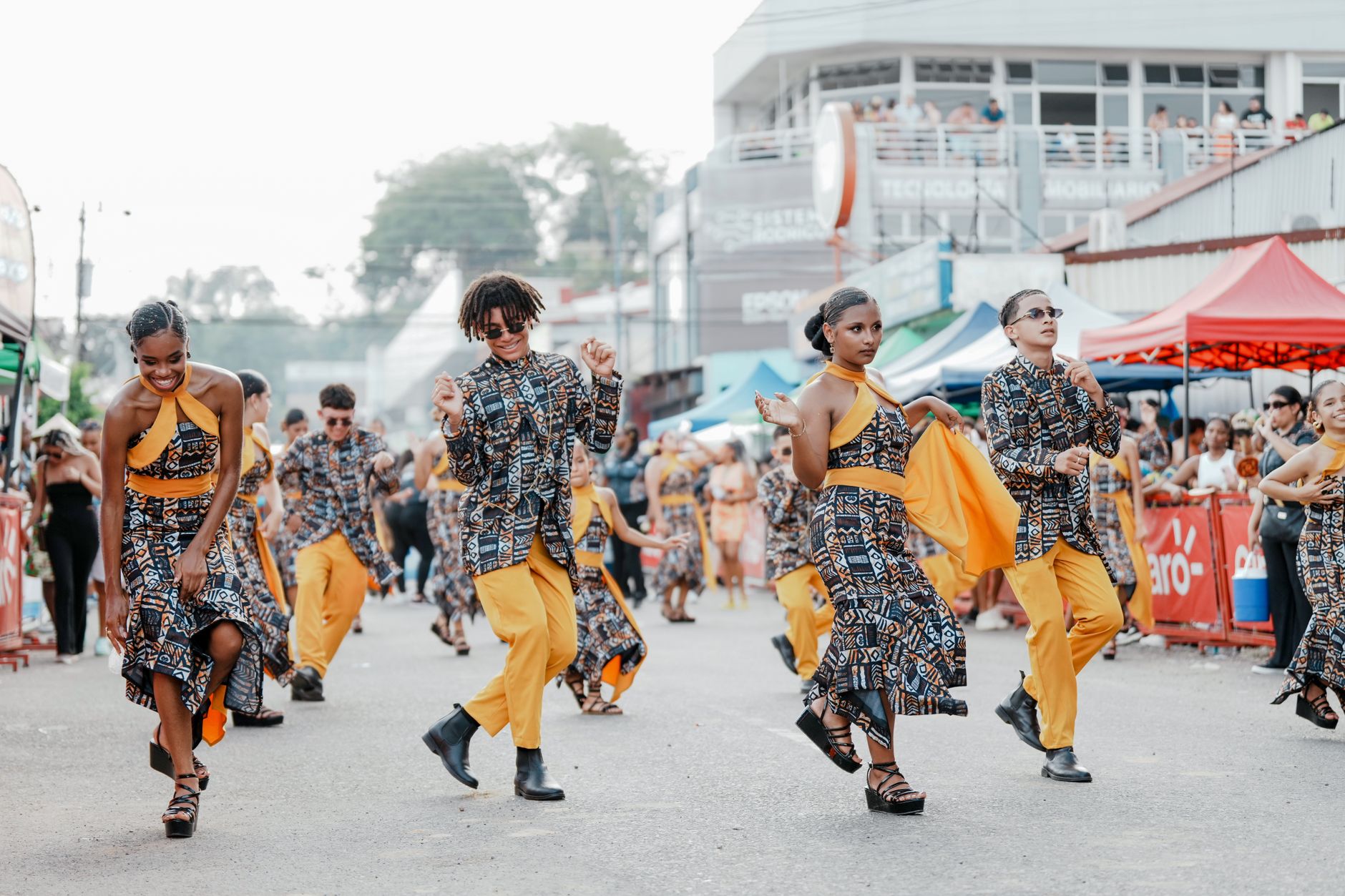
A festival that started because there were not enough flowers for a church fundraiser in 1957 has outlasted dozens of professional concert series, two generations of Perth's cultural infrastructure, and countless trends in what "community arts" is supposed to look like. That origin story is not a quirk; it is the whole point. The North of Perth Music Festival exists because ordinary people in a suburb decided performance mattered, and then kept deciding that, year after year, for over 69 years.
A living cultural institution, not just an annual event
Most performing arts programmes come and go within a decade. An eisteddfod that has run continuously since 1957, weathering changes in venue, sponsorship, format and fashion, is something different: it is infrastructure. The festival began as the North Perth Methodist Music Festival, held over two evenings in a hall on Angove Street, with a cake stall at the back and winners performing at the North Perth Town Hall the following week. Today it spans three weeks of sessions at The Rise in Maylands, with Winners' Concerts at the Wellington Room in Morley Recreation Centre, and $11,000 in prize money on the table. That arc from church hall to civic venue is not incidental; it mirrors how deeply the City of Bayswater has chosen to invest in this event as its major sponsor. Continuity at that scale is itself a cultural contribution.
Why does Bayswater specifically need a festival like this?
Bayswater and its surrounding northern suburbs sit within one of Perth's most culturally diverse parts of the metropolitan area, and performing arts festivals are one of the few civic spaces where that diversity actually shows up on a stage. The festival is open to participants of all ages, which means a six year old piano student and a retired singer can share the same programme on the same day. That multi-generational mix is rare in organised arts competition. Most specialist festivals stratify by age or skill level and lose the cross-generational audience that makes live performance feel like a community event rather than a talent assessment. When families come to watch a seven year old recite a speech and stay for a senior's vocal performance, the suburb's arts life becomes visible to itself in a way that streaming platforms and school concerts simply cannot replicate.
Qualified adjudication gives performers something schools cannot
Every performer who enters receives a personal written report from a qualified adjudicator. That is not a generic participation certificate; it is specific, documented feedback on an individual performance, delivered by someone whose only job in that room is to listen carefully and write something useful. For a piano student working toward an AMEB grade, or a speech and drama student preparing a monologue, that kind of external assessment is difficult to obtain outside a formal conservatoire or expensive private coaching arrangement. Music teachers and drama coaches across Perth's northern suburbs may find community eisteddfods valuable partly for this reason, since adjudicator feedback can function as an external audit of where a student actually stands, delivered in a setting with a real audience and real stakes. The $2,500 Most Outstanding Performance prize, sponsored by Zenith Music, adds a competitive layer that lifts preparation standards across every category, not just for the eventual winner.
What 69 years of alumni actually means for local culture
Heath Ledger won the Ramsay McLean Perpetual Trophy for the Most Outstanding Speech and Drama Item at the 1995 festival. He went on to win a posthumous Academy Award for Best Actor in a Supporting Role. Lisa McCune, one of Australia's most recognised television actors, also came through the festival in her early development. These names are cited not as marketing copy but as evidence of something specific: a community festival with rigorous adjudication and genuine competitive stakes can produce performers who go on to professional careers. That outcome does not happen because the festival finds prodigies; it happens because it gives young performers repeated exposure to performance conditions, external feedback and the experience of being judged honestly. The festival's full history documents the complete arc of how this competition evolved, including committee members who have served for decades, which is its own kind of testament to what sustained community investment looks like.
The volunteer infrastructure behind the curtain
Frank Giannini first appeared in a festival programme in 1969, listed as a young accordion player. He joined the committee in 1976 and has been Secretary since 1978. That is nearly five decades of administrative continuity from a single volunteer. Most community organisations struggle to maintain institutional knowledge across five years; the North of Perth Music Festival has committee members whose knowledge spans the full history of the event. This matters for practical reasons: running a multi-week performing arts festival with dozens of categories, multiple venues, qualified adjudicators, prize administration and public programmes requires the kind of accumulated procedural knowledge that cannot be reconstructed from scratch each year. The festival's resilience as a community institution is directly connected to that kind of long term volunteer commitment, which the City of Bayswater's sponsorship helps make sustainable.
How community festivals support teachers and music studios
An eisteddfod with qualified external adjudicators and a public audience places students in a genuinely competitive context that internal recitals and school concerts cannot replicate. A student who has performed at The Rise in front of a festival audience and received a written adjudicator report has an external reference point that complements the work done in the studio. Festivals like this one also give teachers a shared benchmark across different studios and schools. A well run community eisteddfod with categories spanning piano, strings, singing, instrumental and speech and drama gives music teachers and drama coaches a common annual event to work toward. For parents wanting to understand the full scope of what the festival offers, programmes are available at sessions for $5.00, which makes it straightforward for families to follow along as the day unfolds.
What has kept this festival going for 69 years?
The North of Perth Music Festival's longevity is grounded in its capacity to stay relevant to the Bayswater community rather than to any single format or fashion. The festival expanded from two evenings in a church hall to six nights with State Brass Championships by 1963, and added separate junior and senior Winners' Concerts by 1972. The accordion section came and went; speech and drama was added in 1961 and has remained central ever since. That adaptability, combined with stable civic sponsorship from the City of Bayswater and deep volunteer continuity represented by decades of committee service, is the actual formula. A community festival that tries to freeze itself in time eventually becomes a nostalgic curiosity. One that keeps asking what local performers actually need, and adjusts accordingly, becomes part of the civic fabric. The council's ongoing commitment as major sponsor reflects the value placed on the festival as a genuine cultural asset for residents across the region.
Frequently asked questions
What does the North of Perth Music Festival contribute to the City of Bayswater?
It functions as the northern suburbs' principal community performing arts competition, providing structured performance experience, qualified adjudication and prize competition for participants of all ages. The City of Bayswater is its major sponsor, which reflects the council's view of it as a civic cultural asset rather than simply a private event.
Is this festival open to people from outside Bayswater?
Yes. The festival serves the greater Perth metropolitan area and is open to participants of all ages across the region. Sessions are held at The Rise in Maylands, with Winners' Concerts at the Wellington Room in Morley Recreation Centre, both accessible from across Perth's northern and inner suburbs.
What categories are available in the festival?
The festival covers piano, strings, singing, instrumental and speech and drama. It is open to participants of all ages, so categories are available for children, teenagers and adults. Every entrant receives a personal written report from a qualified adjudicator regardless of whether they place in a prize.
How long has the festival been running and who runs it?
It began in 1957 as the North Perth Methodist Music Festival and has run for over 69 years. It is run by a volunteer committee with considerable long term continuity; Secretary Frank Giannini has held that role since 1978. The City of Bayswater is the major sponsor and Zenith Music is the main award sponsor, providing the $2,500 Most Outstanding Performance prize.
Can music teachers use this festival as part of their students' training?
Community eisteddfods with qualified external adjudicators and public performance conditions give students the kind of feedback and experience that internal recitals and school concerts cannot replicate. Teachers wanting to know more about the festival's categories, schedule or entry process can reach the committee by phone on 0409 292 876 or by email at northofperthmusicfestival@yahoo.com.au.
Sources
This article draws on the following pages.